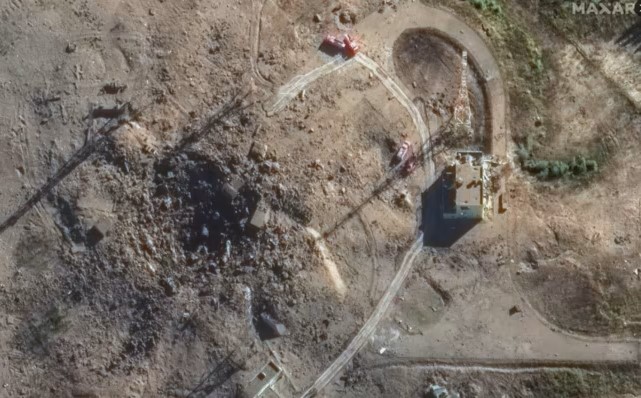
Satellite imagery from Maxar Technologies, shared by OSINT analyst George Barros, reveals a failed test of Russia’s Sarmat super-heavy intercontinental ballistic missile (ICBM) at the Plesetsk cosmodrome. The images show a large crater, approximately 62 meters in diameter, and extensive damage to the launch pad, suggesting the missile exploded shortly after ignition or launch.
Putin'in dünyayı tehdit ettiği, "Sarmat" füzesi elinde patladı.
Kıtalararası füzenin bulunduğu Plesetsk Kozmodromu'nda 62 metre çapında bir krater oluştu.
"Sarmat" füzesi 11 bin kilometreden fazla uçuş menziline sahip ve 100 ton ağırlığında savaş başlığı taşıyabiliyor. pic.twitter.com/Pe4zPt05Ju
— Ukrayna Haber 🇺🇦 (@ukraynahaber) September 23, 2024
About the Sarmat Missile: The Sarmat missile is a key part of Russia’s strategic arsenal, claimed to be capable of bypassing all modern missile defense systems. Official Russian data indicates that the missile has a range of over 11,000 kilometers and can carry a warhead weighing up to 100 tonnes, making it one of the longest-range ICBMs in the world.
Historical Context: This is not the first time a Sarmat test has ended in failure. The MeNMyRC OSINT project previously released satellite imagery showing another failed test of a Sarmat ICBM at the same site. Western media reports indicate that Russia has experienced at least five failed launches of the missile. CNBC reported that the Sarmat’s longest test flight lasted just over two minutes before losing control and crashing, covering only 35 kilometers.
The only confirmed successful launch of the Sarmat took place on 20 April 2022, and despite multiple setbacks, Russian President Vladimir Putin ordered the missile to be put on combat duty in 2022, a directive fulfilled in September 2023.
Background: In June 2023, President Putin once again touted the Sarmat missile during a speech to military graduates, emphasizing its role in strengthening Russia’s military capabilities. He pledged that all plans to enhance Russia’s strategic forces would be fully implemented, despite the challenges the Sarmat program has faced.
-

-

-

-

-

-

-

-
-

-